
Princeton University
recent blog posts for Princeton University
Princeton is a prestigious Ivy League university with an undergraduate program grounded in the liberal arts. What really makes Princeton unique isn’t its fame or prestige, but way the university has committed itself to making an exceptional undergraduate experience available to a diverse community of students. They report that 30% of undergraduate students attend for free and over two-thirds of students receive financial aid. But while Princeton is open to students of all financial means, it isn’t open to all. They are looking for students with exceptional academic and personal credentials, and the acceptance rate is under 4.5%.
Princeton. The name conjures up visions of its most famous alumni: Michelle Obama, Jeff Bezos, and, of course, 30 Rock own’s Jack Donaghy. It’s a famously hard school, and famously hard schools are famously, well, hard to get into. Princeton certainly attracts some of the most academically accomplished students in the world, but the admissions process is more nuanced than simply identifying who has the highest GPA or the most impressive resume.
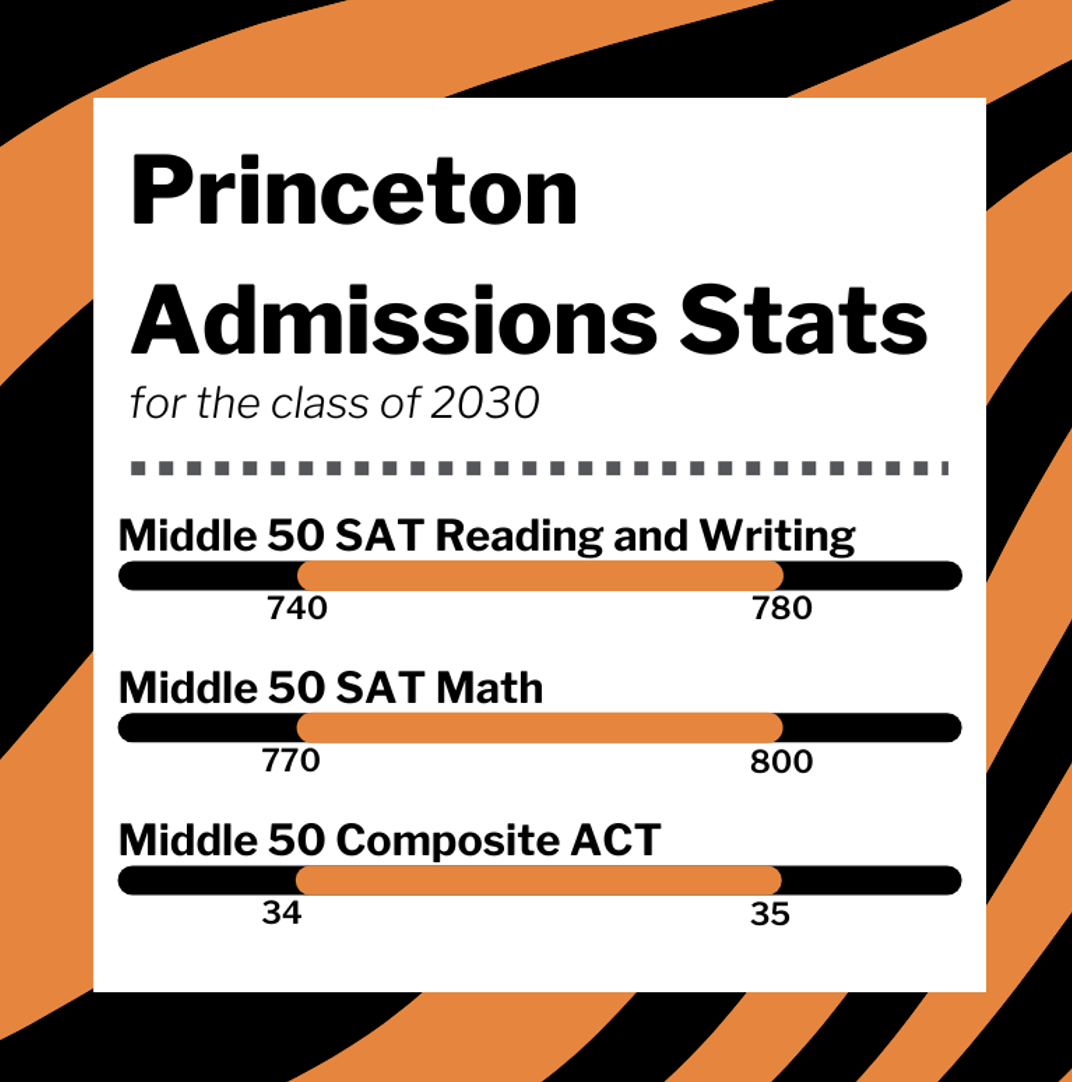
Princeton is located in Princeton, New Jersey. It has a suburban feel and a very tight-knit on campus culture. It is also part of the coveted Ivy League, and boasts some of the best academic programs in the country across nearly any subject you could dream of studying. Unsurprisingly, getting into Princeton is exceptionally difficult. The university delays release of admissions data, but the overall first-year acceptance rate for the Class of 2029 was 4.4%.
It feels a little silly to introduce Princeton. New Jersey’s Ivy League university is one of the most famous colleges on earth. From eating clubs to mandatory senior thesis, Princeton University is really synonymous with undergraduate excellence.