
Cornell University
recent blog posts for Cornell University
Cornell is both a large top-tier research university and one of the prestigious Ivy League schools that are famed for both academic intensity and the social clout they offer graduates. Cornell is unique, however, as an Ivy. They are the only Ivy that is also a land grant university, giving New York State applicants a higher rate of admissions for some programs. They are the only Ivy to have an undergraduate school focused on labor relations, the only one with a hospitality program, and the foremost agriculture program in the country. For the fall of 2025, the in-state first-year acceptance rate was 13.25%. That same year, the out-of-state acceptance rate was 9%. One year later, for the Class of 2030 enrolling in the fall of 2026, we’re still not sure what the acceptance rate was as they have not released those numbers. We expect it to be within 1% +/- of the Class of 2029.
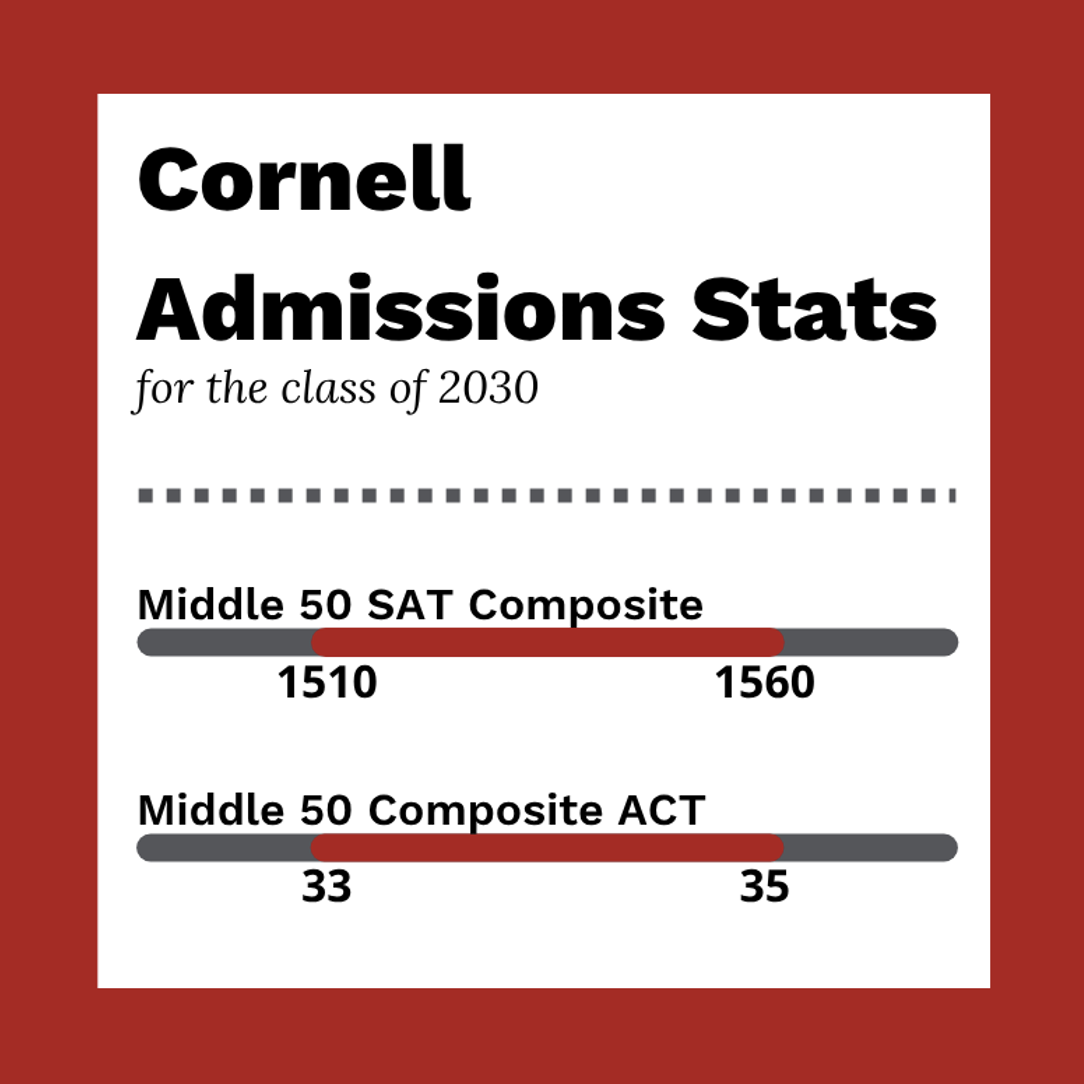
Cornell is one of the most misunderstood schools in the Ivy League. People know the agriculture and hotel schools, but don’t always recognize the strength of their engineering, business, or liberal arts colleges. It combines the resources of a large major research university with the close-knit academic vibe people expect from an Ivy. That complexity shows up in their admissions, too.
Cornell is a major research university in Ithaca, NY that just so happens to be part of the prestigious Ivy League. We say “just so happens” like it happened by chance, but Cornell’s status comes from past performance, present prominence, and future excellence. The university is exceptional, and it has the outcomes to prove it. The admissions numbers, though, can be a bit misleading.
Let’s talk about Cornell University! We’ll start with the obvious, which many of you future applicants probably already know: Cornell is an Ivy League college located in Ithaca, New York. Of the Ivies, Cornell is the largest in terms of campus size (745 acres) and undergraduate enrollment (about 16,000 students) and has the highest acceptance rate (~8%).