
Massachusetts Institute of Technology (MIT)
recent blog posts for Massachusetts Institute of Technology (MIT)
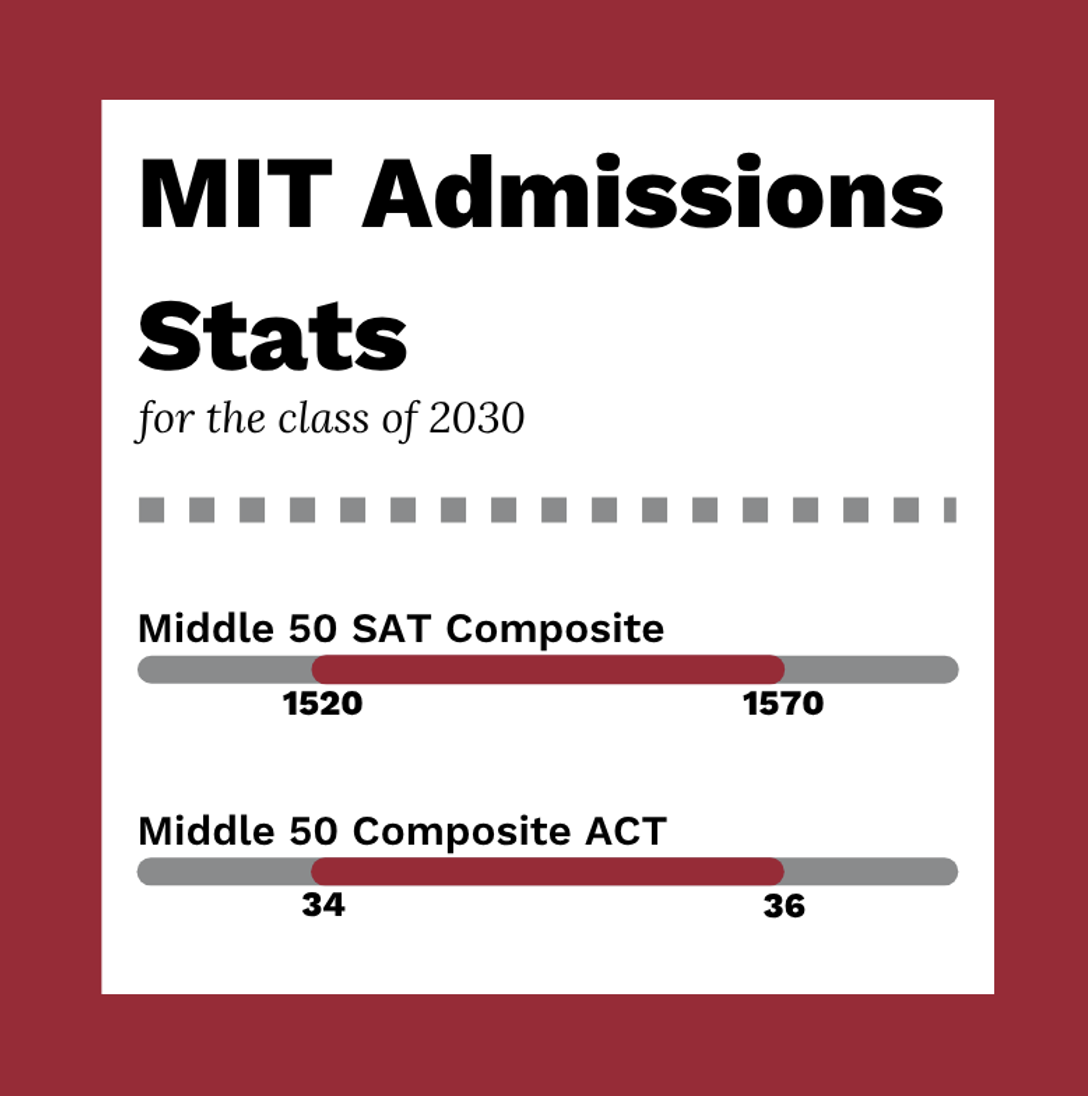
MIT has a very specific reputation in the college admissions world. For some students, it’s basically the holy grail of STEM education. For others, it sounds vaguely terrifying – a place where everyone casually solves differential equations for fun while building satellites in their dorm room. And to be fair, there are definitely students at MIT who do that.
MIT is not only one of the most renowned STEM-focused schools in the country, it’s famous globally for educating and incubating the brightest young, STEM-focused minds in the world. Why MIT works, though, is that it isn’t a siloed educational experience where students can coast through on what they are already good at. Instead, it challenges students to push beyond their perceived limits and to break down subject area boundaries to fuel breakthrough discoveries. MIT students come from across the country and around the world, and there are about 1,200 seats in each class. The overall first-year acceptance rate for the Class of 2029 was 4.6%.
Getting into MIT is crazy hard. Obviously, if you’re here, you probably already know this. But while it’s hard, it’s not impossible – because, obviously, MIT is graduating full classes every single year. Your internal monologue around getting into extremely selective schools like MIT needs to change from “Can I get in?” to “What do I need to do to get in?” Because, look, getting into MIT isn’t something you can just decide you want to do in your junior year, you need to spend your high school career working towards this goal.
The Massachusetts Institute of Technology, or MIT, is one of the most famous STEM-focused schools in the world. For engineering, math, and anything emerging technology, there is nowhere more famous or competitive in the US than MIT. They challenge their students to think differently, to defy understood boundaries, and to play an integral role in the next generation of innovation. If you know anything about MIT at all, you probably know two things: