
Brown University
recent blog posts for Brown University
Brown University in Providence, Rhode Island is widely known as the ‘artsy Ivy’. It is the only Ivy League school with an open curriculum, and is known for seeking out and embracing students who aren’t simply brilliant — but also who are committed to thinking differently, living impactful lives, and lifting others up. Providence offers the perfect backdrop for the Brown experience, a small city with a strong creative ethos (it doesn’t hurt that the city is also home to RISD, an iconic school of art and design). Given the nontraditional open curriculum, we aren’t surprised the Brown receives fewer applications than most of the other Ivy League school: just under 48,000 for the Class for 2030. The acceptance rate, however, is still precipitously low. Brown admitted 5.3% of first-year applicants in the 2025-2026 application cycle.
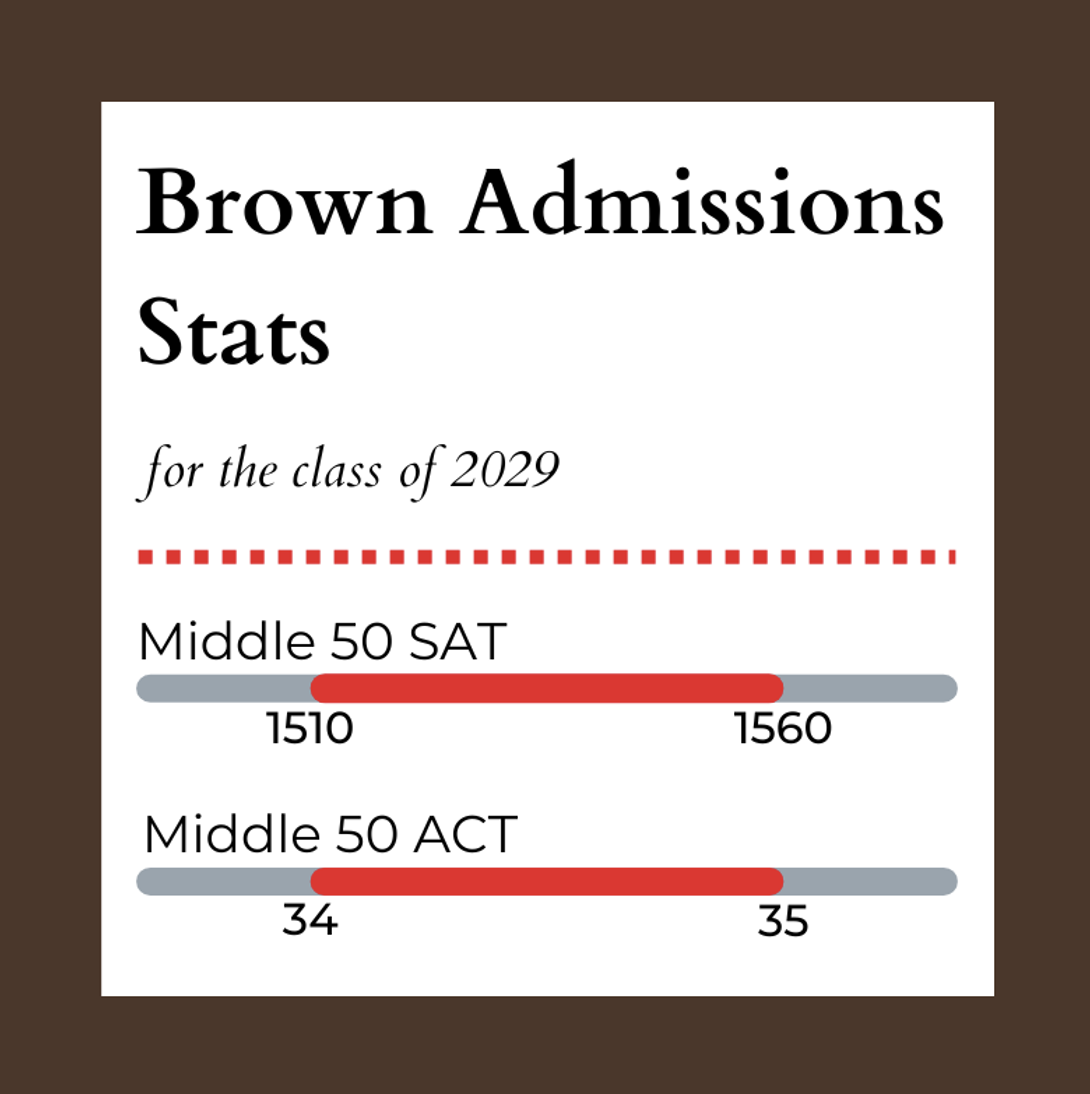
Brown has one of the most recognizable brands in higher education, but not for the reasons people usually think. Sure, it’s an Ivy League school, and sure, it’s wildly selective – but Brown has also cultivated a reputation for attracting and enrolling a very specific kind of student. They want intellectually curious, independent, creative, and maybe just a little bit unconventional students.
Brown is the artsy Ivy. This isn’t because it is an arts school, but rather because the culture of the university embodies the ethos of the arts. This is amplified by where Brown is located, in the creative hub of Providence, Rhode Island, and who it has as a neighbor: RISD, one of the most famous creative schools in the world. Brown takes bits and pieces from the communities around it, adding exceptional research opportunities and unique educational approaches to the mix. They have an open curriculum that encourages exploration and discovery, which is very much on theme. Brown receives well over 40,000 applications each year and aim to admit about 2,400. The acceptance rate for the Class of 2029 was 5.65%. Then, it dropped. For the Class of 2030, the acceptance rate went down .3% to 5.35%.
You aren’t like a regular Ivy League student; you are a cool Ivy League student. We are just kidding; while Brown University is sometimes seen as the artsiest and quirkiest Ivy, make no mistake: it is still very much an Ivy League school.